
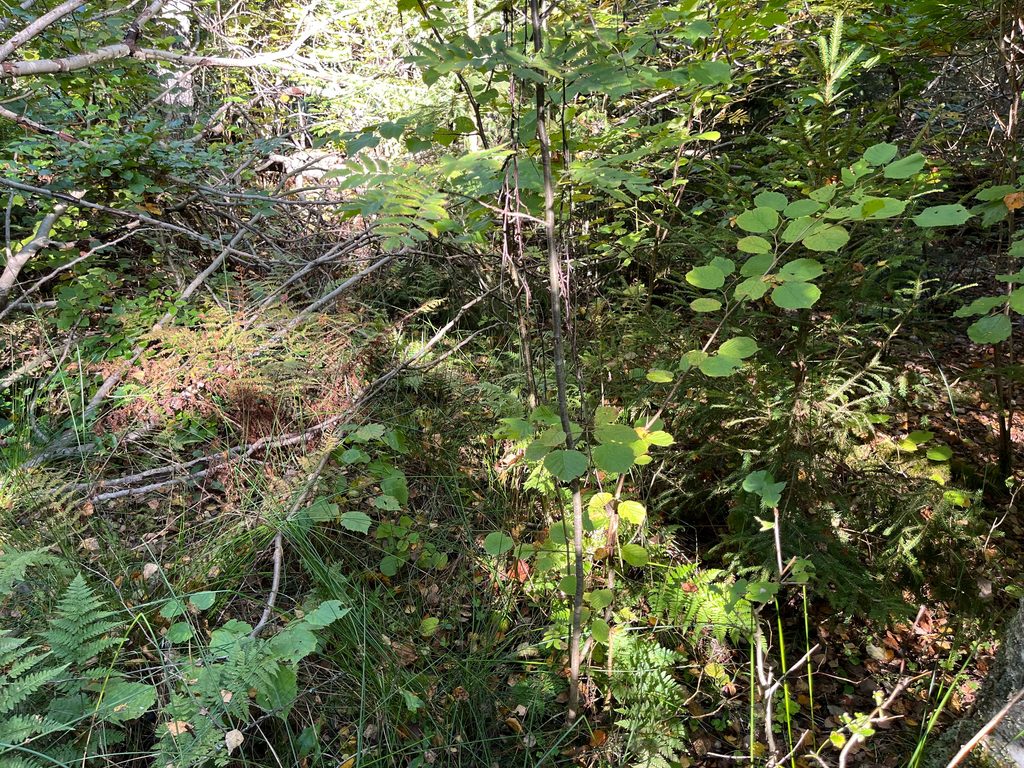
In 2024, I did something slightly unusual for a professor of computer science: I became a student again. I enrolled in a course on sustainable family forestry at my own Linnaeus University, and Björkesö became my case study. I was used to teaching AI, analysing complex software systems and occasionally pretending to understand things before the coffee break. But forestry? I was starting almost from scratch. Trees, soil, growth rates, timber prices and Swedish forestry regulations – a whole new world, and one in which my academic titles offered surprisingly little practical advantage.
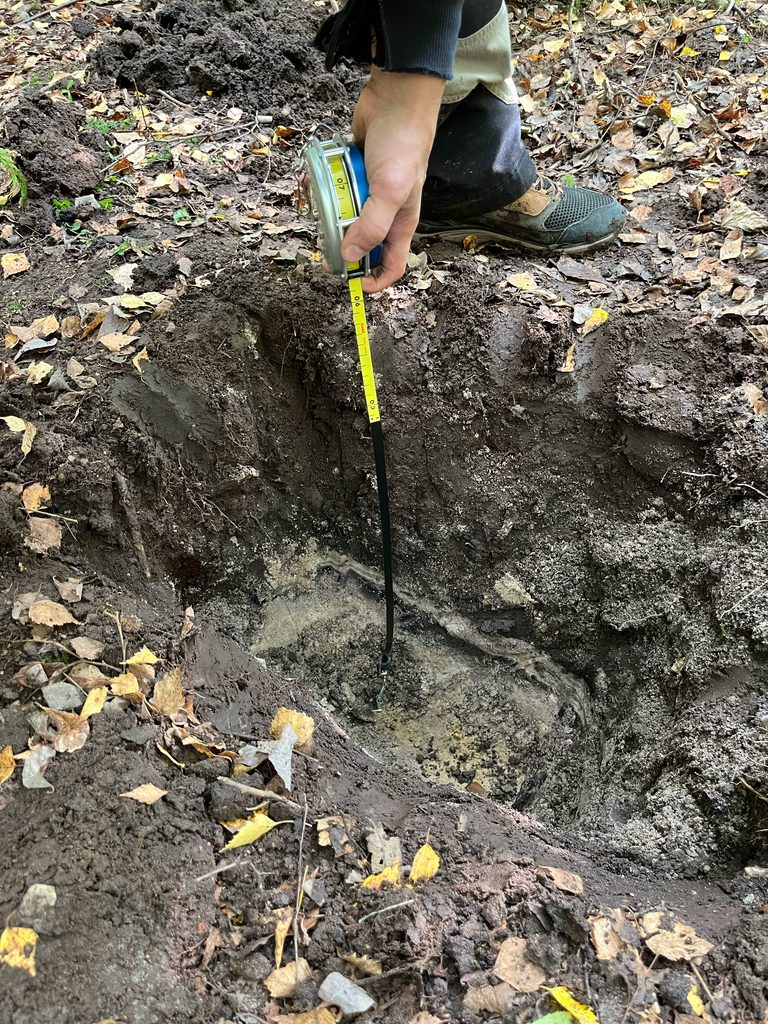
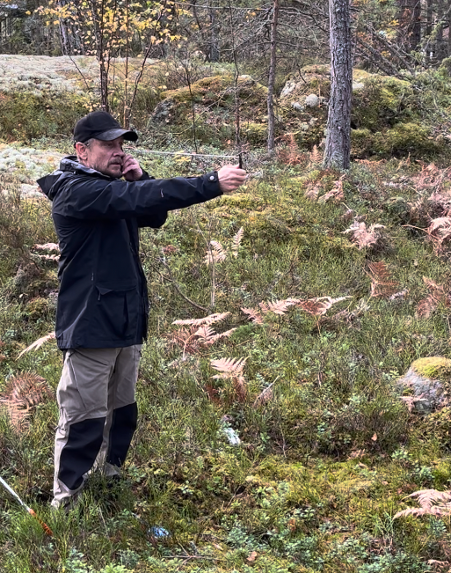
The course quickly made it clear that owning a forest and understanding a forest are two very different things. I dug soil pits, identified plants, measured trees, estimated timber volumes and tried to make sense of concepts such as site index, basal area and thinning. I learned that two patches of woodland just a short distance apart could have quite different soils, vegetation and growth potential. I also discovered that measuring a tree in the field is not quite as straightforward as measuring software. Uneven ground, dense undergrowth and the occasional questionable measurement all had a way of reminding me that reality does not always cooperate with the model.
Then there were the assignments. I had deadlines to meet, calculations to check and reports to write. And, somehow, a full life alongside the course. More than once, I found myself working late into the evening, wondering why I had thought this was a good idea. Exam time brought back memories I had assumed were safely buried under decades of academic experience: the stress of preparing, the nagging feeling that I should know more, and the suspicion that everyone else had at least all the practical experience that I was lacking. Being a professor did not make the exams any easier. If anything, it made being a beginner more entertaining, at least in retrospect.
But the hard work paid off. I gained practical skills, a much better understanding of how forests grow and develop, and new insights into the economic, ecological and legal aspects of forest management. Most importantly, I began to see Björkesö differently. The spruce- and pine-dominated stand was no longer simply a collection of trees by the lake. It became a living system with its own history, potential and risks. I could compare management strategies, assess the consequences of thinning, and begin to understand the trade-offs between timber production, storm resistance, biodiversity and the landscape on Björkesö. I even developed a plan for gradually moving towards continuous-cover forestry, a more nuanced approach than simply cutting everything down and starting again.
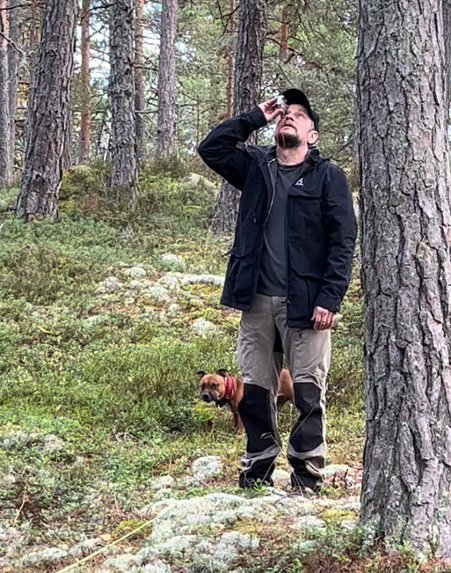
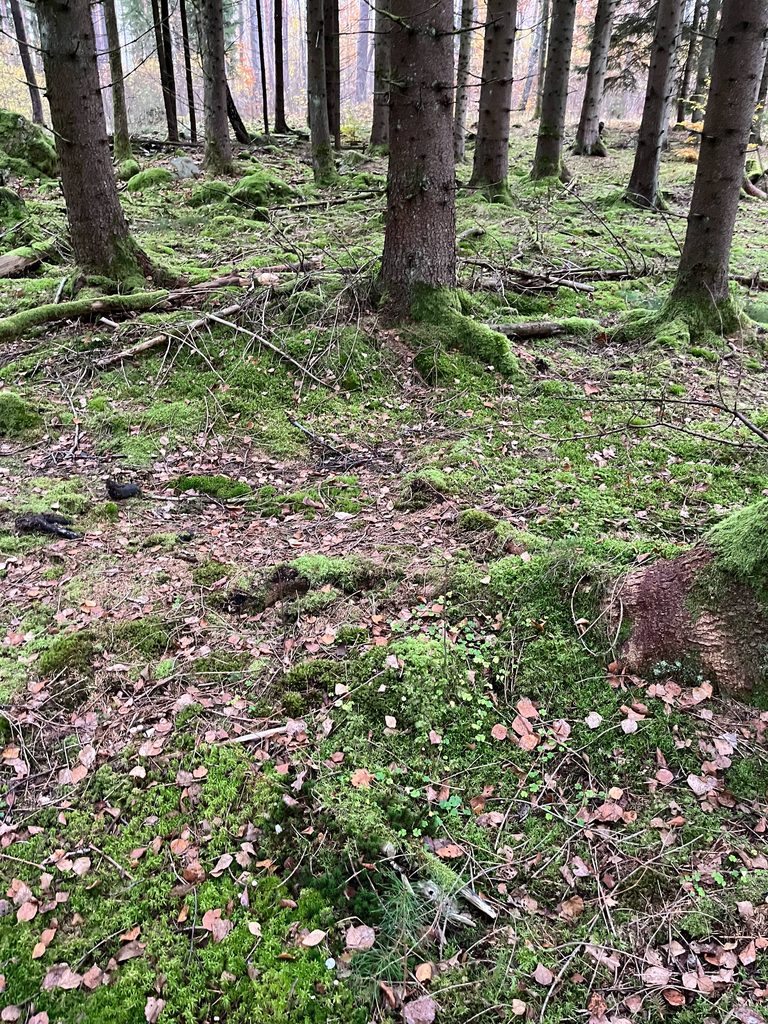
Looking back, the course was one of the best investments I made in Björkesö. Not because I emerged as a forestry expert – let’s not get carried away – but because I learned to ask better questions and make more informed decisions about the property. I also rediscovered what it feels like to be a novice: to struggle, make mistakes, miss a deadline or two, and eventually understand something that had seemed impossibly complicated just weeks earlier. It was a humbling experience, occasionally stressful, and thoroughly worthwhile.
And next time I find myself explaining something to my own students, I may have a little more sympathy for the ones sitting at the back, quietly hoping that the exam will somehow be easier than the coursework.